What Should a University Open Day Video Do?
Updated: Nov 8

Get the right applicants onto campus, then put them back there when they choose. A university open day video works on both sides of the visit: before it, to turn a browsing applicant into a booked one, and after it, to keep the place vivid when the offers arrive.
Most open day films only do the first half. The second half is where applicants actually decide.
What is a university open day video for?
Booking a visit costs an applicant a day, a train fare and often a parent's annual leave. The film has to make that trade look worth it.
That means showing what they can only feel in person: the walk from the station, the size of the lecture theatre, the noise in the students' union at lunch.
After the visit, the same footage does a different job. Applicants weigh their offers and pick a firm and an insurance choice through UCAS. A short film in the post-visit email puts them back on campus at the moment it counts.
Who is an open day film actually for?
Two audiences watch it, often on the same sofa. The applicant wants to know if they will fit in. The parent wants to know where they will live, how they get home and who answers the phone when something goes wrong.
There is a third viewer most briefs forget: the applicant who can't come. Distance, cost, caring duties or a clash with exams keeps some people away from every open day.
For them the film is the visit, so it has to carry the whole day in a few minutes.
What should a university open day video show?
The arrival. Station, bus stop or car park to the main entrance, filmed the way a visitor walks it. It answers the parent's first question before they ask it.
Teaching rooms in use. A lab mid-session or a seminar in full flow says more about a course than an empty room and a voiceover.
Where they will live. Real accommodation, the kitchen as well as the bedroom, filmed as it looks in a normal week.
Students in their own words. Unscripted answers to simple questions, filmed where they spend their time. One honest line beats a page of polished script.
The city around it. Nottingham sells itself to a lot of applicants: two universities and a compact centre within reach of both. If the city is part of the offer, it belongs in the film.
Each of those shots has to be booked in advance. Labs run to a timetable, accommodation needs a free room on the right floor, and students sign consent forms before the camera comes out.
Why does accuracy matter in a university marketing video?
Because consumer law treats it as information. The Competition and Markets Authority's advice for higher education providers, updated in May 2023, says information given "in writing, verbally or visually must be correct", and names open days as one of the places it applies.
Its examples are specific. Wording or images that imply a campus is in central London when it isn't count as misleading. So does a misleading impression at an open day about who will teach a course.
A film built around a library that opens next year, or a lecturer who has since left, sets up a complaint.
Real footage, shot this year, solves most of it. AI has a place in the process, mainly in agreeing the look from stills before the shoot day, and what AI actually does in video production stops well short of inventing a campus.
How many versions should one open day shoot produce?
Several, from the same days of filming. A two to three minute hero film for the open day page, shorter cuts for social, and subject clips that departments can drop into their own emails to applicants.
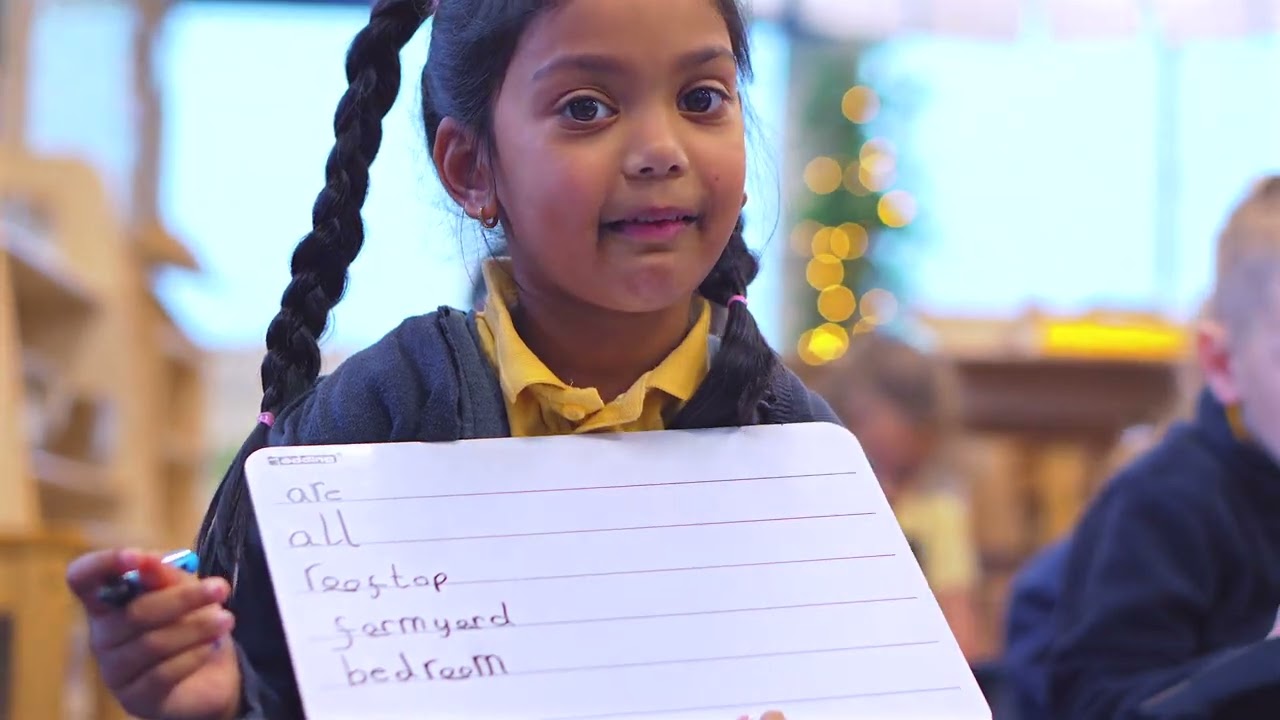
The thinking matches a school film on a bigger site. The primary school video for Pinewood was built around one question: can a parent picture their child there? A university film asks the applicant to picture themselves.
Across six years and more than 300 videos, for clients including the University of Nottingham, NTU and Nottingham College, the brief that works for university and school films stays the same: one shoot, planned around the timetable, cut for every place the audience will see it.
Quick answers
How long should a university open day video be?
Two to three minutes for the main film on the open day page. Social cuts work best under a minute, and a department clip can be shorter still.
When should a university film its open day video?
In term time, when the campus is busy and teaching rooms are in use. Filming the open day itself adds crowds and atmosphere, but it can't show what a normal week looks like.
Should students be scripted in an open day film?
No. Give them questions, not lines, and film them somewhere they actually spend time. Applicants spot a recited answer in seconds.
If an open day is coming up, or last year's film only does half the job, send over the dates and the campus. You don't need a shot list, a script or a final number of versions to start the conversation.
Shot By Taz is a video production and FPV drone company based in Nottingham, filming across the East Midlands, including Derby, Leicester, Lincoln, Loughborough and Mansfield.
Comments